⚡ QUICK ANSWER IT channel partners face three structural barriers to peer networking: Time (MSP owners prioritize daily operations over relationship-building), trust (the channel's competitive nature makes candid sharing feel risky) and access (general forums and LinkedIn lack the focused signal IT pros need). A dedicated IT channel community addresses all three at once. When everyone shares the same professional context—stack decisions, margin pressures, vendor relationships—trust forms faster.
If you're an MSP owner or service delivery leader, you already know that Google can't answer your hardest questions. The real answers live with people who've been where you are—who've navigated a difficult client renewal, rebuilt a team after sudden turnover or made the call to drop a vendor that wasn't delivering. That kind of knowledge doesn't live in a knowledge base. It lives in your network. The problem? For most IT channel partners, that network is thinner than it should be—and harder to build than anyone wants to admit.
The Structural Problem With Peer Networking
Peer networking sounds simple in theory. Meet people, build relationships, call on them when you need support. But in practice, IT channel partners face three barriers that make this harder than it looks.
The first is time. MSP owners are operators first. Between managing clients, leading teams and keeping the business running, carving out time for relationship-building that doesn't have an immediate return feels like a luxury. Networking gets deprioritized—not because people don't value it, but because the urgency of today always wins.
The second is trust. The IT channel is competitive. The person you're considering opening up to about a pricing challenge or a difficult employee situation might also be your competition for the same client next quarter. Without a structured, neutral environment, genuine peer-to-peer sharing stays guarded.
The third is access. LinkedIn is noisy. General business groups are too broad. Industry forums can feel transactional. Without a dedicated space built specifically for IT channel partners, the signal-to-noise ratio makes it hard to find people who actually understand your world.
Why an IT Channel Community Changes the Equation
A dedicated IT channel community peer networking environment doesn't just solve the access problem—it addresses all three barriers at once.
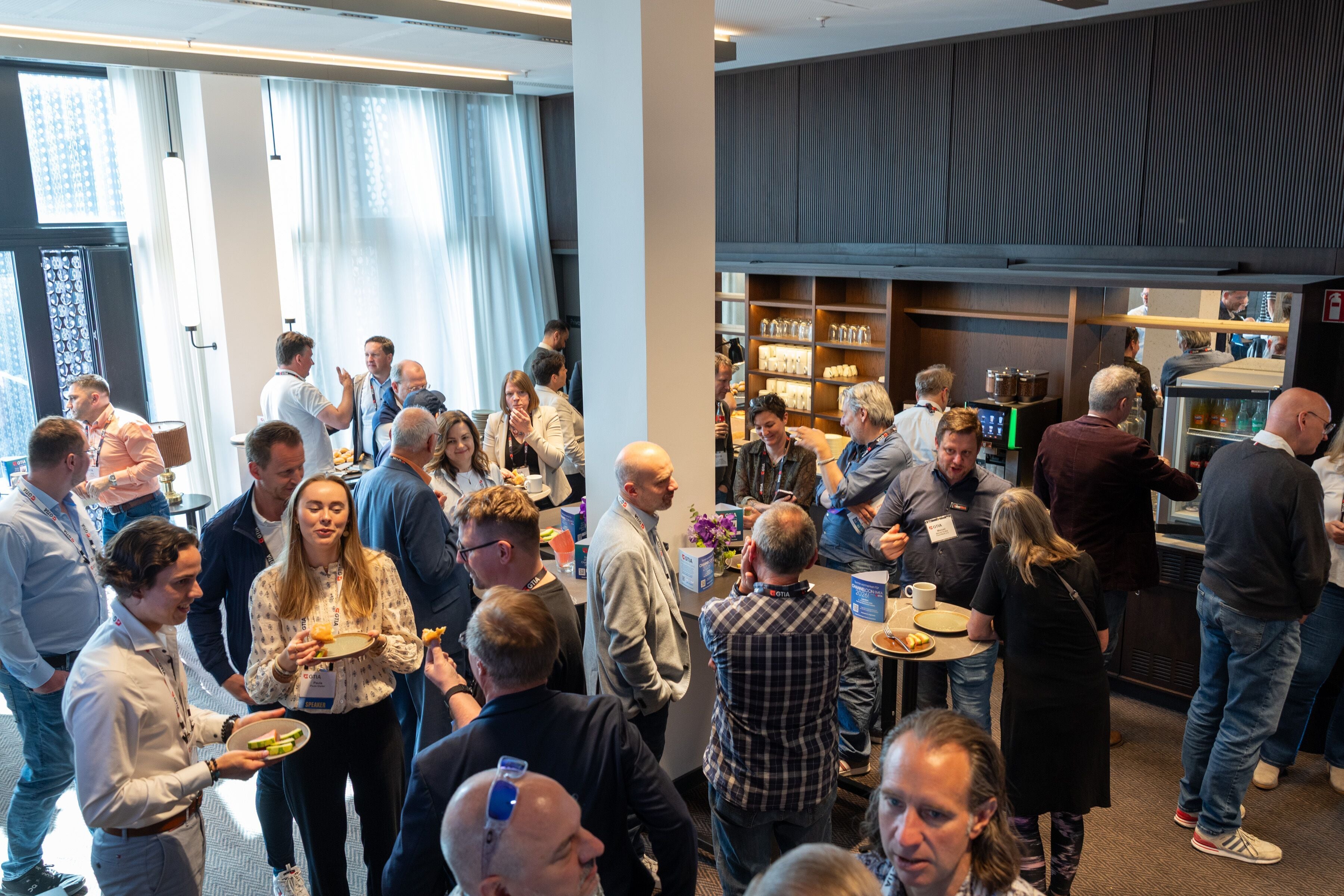
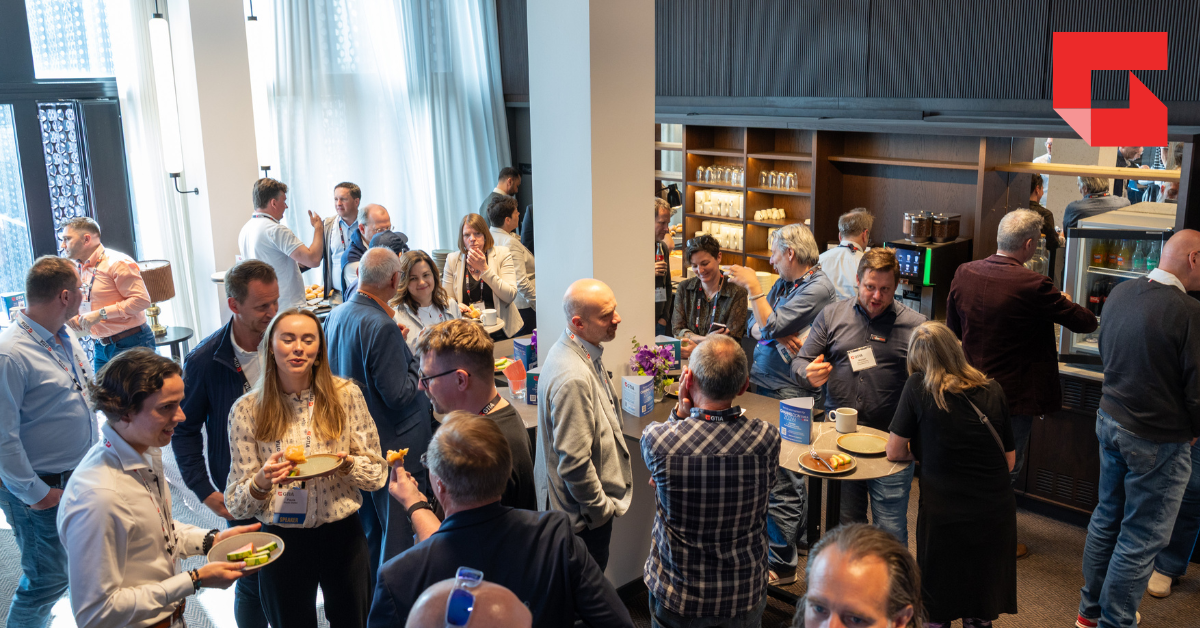
When a community is built around a shared professional identity (IT channel partners, specifically) the trust barrier drops significantly. Everyone in the room speaks the same language. They understand stack decisions, margin pressures, vendor relationships and the unique weight of running a services business. You're not explaining your world from scratch. You're already halfway there.
“Trust inside GTIA is different,” says Damien Harrison, marketing and operations manager at Bondgate IT. “It’s a safe space where you can share without judgement—the love, support and care I’ve received from the community has been phenomenal.”
Structure matters too. The best communities aren't just forums or Slack groups. They're built with intentional programming—peer roundtables, advisory councils, working groups and in-person events that turn online connections into real relationships over time. That structure is what transforms a networking platform into something that functions as peer-to-peer support.
“From day one, it doesn't matter what role you're in, it doesn't matter if you're in a vendor, it doesn't matter if you're an MSP—you're meeting people that have been where you are,” says Ben Chesterman, channel account manager at Open Text. “The GTIA community meets you exactly where you are at the pace that you want to move, helps you move forward and gets you to the goals and targets that you're trying to achieve.”
And when the community is vendor-neutral—not controlled by a vendor agenda or shaped by who's paying for the sponsorship—members can share honestly. That neutrality is what makes the conversations valuable.
What Effective Peer-to-Peer Support Actually Looks Like
Building peer networks doesn't happen by accident. Here's what works:
Show up consistently, not just when you need something. The MSPs who get the most out of community aren't the ones who appear when they have a crisis. They're the ones who contribute answers, share what's working and engage regularly. Relationships built on reciprocity hold.
Go deep with a few, not wide with many. Collecting connections is easy. Finding two or three peers you can call at 9:00 pm with a real problem is rare and valuable. Prioritize depth over breadth.
Use structured touchpoints. Peer roundtables, mentorship pairings and advisory groups give networking a cadence. Without structure, it's easy to stay on the surface. With it, you move faster.
Engage in spaces built for this. General networking events and broad professional groups have their place, but community engagement challenges are real when the environment isn't purpose-built. Find the spaces where IT channel professionals are the majority, not the minority.
The Bigger Picture
The MSPs who are growing right now aren't doing it alone. They're plugged into communities that give them early signals on market shifts, honest feedback on their business decisions, and a bench of trusted peers to call when things get complicated.
Professional networking for IT pros isn't a nice-to-have. It's a competitive advantage—one that compounds over time. But it only works inside an environment where trust is built in, structure creates consistency, and the shared context of the channel makes every conversation more valuable.
“To those who aren’t yet part of this community—join us,” says Dan Shapero, GTIA member champion. “Because if the last 20 years have taught me anything, it’s this: Careers are shaped here, standards are built here and the future of the MSP industry is built together.”
That's what a real IT channel community does. And it's exactly why peer networking without one so often fails to deliver.
Connect with peers who get it. Join fellow IT channel pros at ChannelCon, August 3-5 in San Diego.