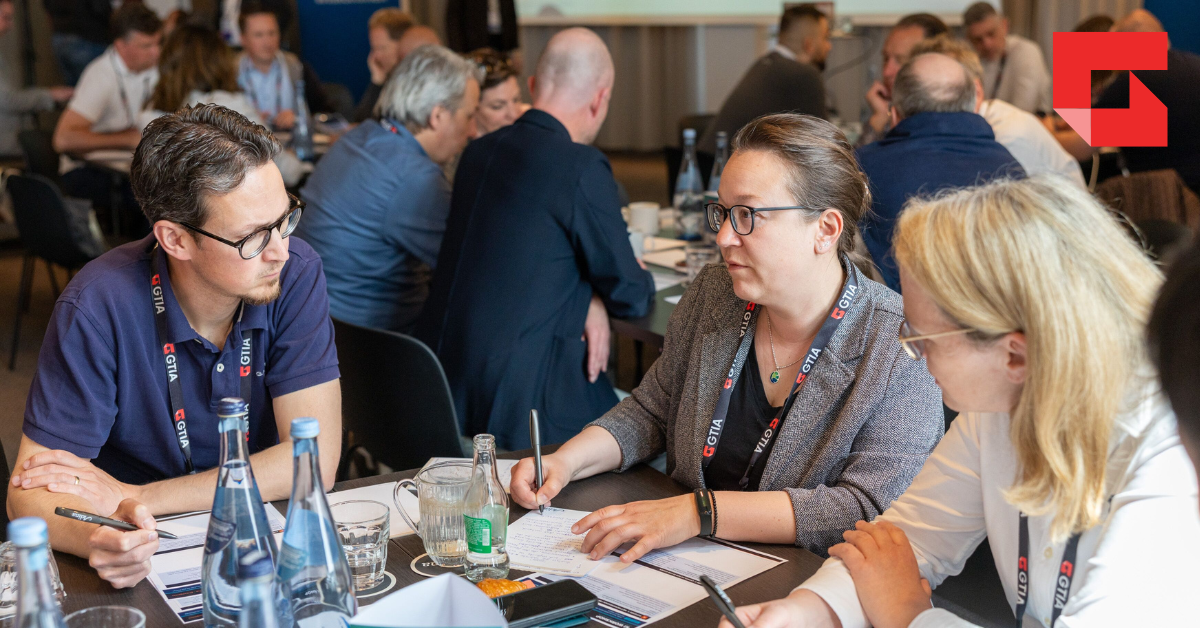
Quick Answer: Effective peer networking in the IT channel comes from structure, not proximity. It requires year-round engagement instead of one annual event, cross-channel connections between MSPs, vendors and distributors, local chapters for regional touchpoints, and governance shaped around member needs rather than a single company's goals. Communities built around these elements—like GTIA—turn conference connections into lasting business relationships.
Peer networking the IT channel takes a lot of different forms—vendor communities, regional groups, annual conferences—and each plays a role. But building the kind of connection that moves a business forward takes more than a shared badge scan at an event. It takes structure, consistency and a reason to keep showing up between conferences.
Why Peer Networking Can Break Down in the IT Channel
As the channel consolidates and margins tighten, MSPs and channel partners need each other more than ever—for benchmarking, referrals, hiring advice and early signals on where the market is headed. But most IT network challenges trace back to the same root cause: Communities designed around vendor priorities or event calendars, not around the day-to-day reality of running an MSP business.
Community Gaps Limiting MSP Networking
Here are 7 things that make peer networking genuinely valuable—and how GTIA is built to deliver on all of them.
1. Vendor Bias: Vendor-funded communities are naturally shaped around that vendor's ecosystem—that's simply how they're built and funded. It's a different model than a vendor-neutral one, where content and connections aren't tied to any single company's roadmap.
2. Surface-Level Events: Big conferences are great for visibility, but without structured ways to connect—roundtables, small-group sessions, intentional matchmaking—most attendees leave with a stack of business cards and no real relationships.
3. Siloed Conversations: Many communities keep MSPs, vendors and distributors in separate lanes, which limits the kind of cross-channel peer networking that drives new opportunities and partnerships.
4. Inconsistent Engagement: A community that's only active around its annual event isn't a community—it's a calendar reminder. Real peer support requires year-round touchpoints, not a once-a-year reunion.
5. Lack of Local Connection: National-level events matter, but they can't replace the relationships built through regional chapters and in-person, local touchpoints where members live and work.
6. Limited Collaboration Tools: Without dedicated infrastructure for ongoing IT professional collaboration—forums, member directories, structured peer groups—most "networking" stays limited to whoever you happened to meet at the last event.
7. Unclear ROI: If members can't clearly articulate what they're getting for their dues, engagement drops fast. Vague value propositions are one of the quickest ways a community loses momentum.
How a Vendor-Neutral IT Channel Community Closes These Gaps
A vendor-neutral structure means content and connections are shaped entirely around member needs, without being tied to any one company's product goals. It's a different starting point than a vendor-funded model, and it changes what the community can offer.
From there, closing the rest of the gaps comes down to deliberate design: Structured small-group networking instead of just big events, cross-channel programming that brings MSPs, vendors, and distributors into the same room, and industry community building that runs year-round rather than spiking around a conference date. Add local chapters and real collaboration infrastructure, and the channel partner engagement that was missing starts to show up consistently—not just once a year.
What Strong Channel Partner Engagement Looks Like
Use this as a quick gut-check for any community you're evaluating:
- Active discussion and collaboration happening between events, not just during them
- Local or regional chapters with real, recurring touchpoints
- Clear, transparent value tied to membership cost
- Cross-pollination between MSPs, vendors and distributors—not separate silos
- Funding and governance structured around member interests, not a single vendor's
Frequently Asked Questions
Why do MSPs struggle to network in the IT channel? Many networking opportunities are built around annual events, which naturally makes consistent, structured relationship-building throughout the year harder to sustain.
What makes a community vendor-neutral? A vendor-neutral community is funded and governed in a way that isn't dependent on—or biased toward—any single vendor's products or sales goals.
How often should a community engage members beyond events? Ideally year-round, through ongoing discussion, local chapter activity and ongoing collaboration tools—not just at a single annual conference.
Does company size affect how much value I get from a channel community? Strong communities are designed to be accessible and valuable for MSPs of every size, not just the largest players in the channel.
Why GTIA Closes These Gaps
GTIA is structured from the ground up to close exactly these gaps: Vendor-neutral governance, local chapters for real regional connection and engagement that runs year-round rather than spiking around a single event. The result is a community where peer networking is always on.
Ready to see the difference real channel community makes?
Explore GTIA membership and start building the connections your business needs.