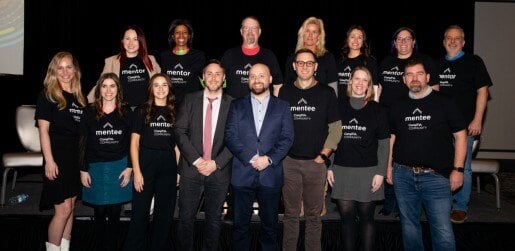
When we started to build what is now the GTIA Mentorship Program, the goal was to provide another opportunity for GTIA members to help each other. Yes, each other. While on the surface it may seem like the mentee gets the most value from a mentorship relationship, mentors also find the experience both rewarding and educational. I’m often asked by people why mentorship is important. Here are the answers to three of the most frequently asked questions I get. I hope my responses help you consider being a mentor or mentee in the future.
Have you ever had a mentor?
I have had several mentors over the years during my 30+ career in technology. I treasure and value each mentor and have learned from each one. I would even venture to say that my sessions as a mentee have functioned as building blocks, not only for my career but my evolution as an adult.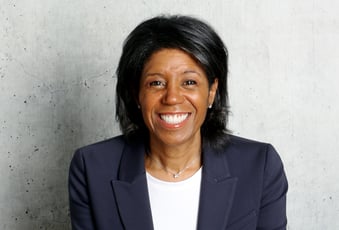
I have previously mentioned my gratitude for the many mentors I’ve had along the way who have helped me strategically grow my career. Most recently, a wonderful mentor helped me shift from services leadership to the global sales executive that I am today.
I remember a mentor I had who helped me with my first public speaking event for a company I worked at 10 years ago. It was a customer and partner event in Calgary, Alberta. We were expecting more than 1,000 attendees, and I was going to present on the main stage. At the time, I had presented during team meetings, provided get-well plans to customers and introduced speakers at smaller events. I was excited and petrified as I wanted to do an excellent job for myself and for the company.
My mentor collaborated with me to choose a topic where I could convey excellence (software testing prior to go-live) and worked with me on my delivery, tone and pitch. When the big day arrived, I was nervous, but I worked through the butterflies to deliver with confidence. My mentor helped me work through the fine points and let me shine on the day.
What is a mentor?
The Oxford English Dictionary definition of a mentor is “an experienced and trusted advisor.”
A mentor can help with a single issue during a single call or meeting, or a mentor can advise the mentor over a period of time.
Notice the definition states experienced and that experience is not defined by age. I’ve had mentors who were more senior than me inside and outside of my organization. I’ve also had “early career” mentors who were experienced in their field, and I find those mentors understood the levity and responsibility of being trusted and confidential.
I sat in a session regarding a social media presence and immediately asked for guidance and mentorship to understand how I could improve my brand leveraging social media. That individual helped me with my LinkedIn profile, provided guidance with posts and with other online campaigns.
How do you get a mentor?
Getting a mentor is easy; however, you must be brave and advocate for yourself. If there is someone in your company, internal or external network or community that has resonated with you, ask that person to mentor you. You need to be clear with what you want out of the relationship. Do you want help and guidance with career growth, or do you need help with a specific goal? Once you know what you want, look for the person who you think can help you attain your goal. Remember, you are seeking an experienced advisor. Some people do not feel comfortable speaking to people within their company. If that is the case, then you need to widen the net and tap into your external network so you can work with someone that you trust. I wish you all the best in seeking a mentor who can help you attain your goals.
Learn more about the GTIA Mentorship Program.
Cynthia Mooney is a PC global sales executive for HP Inc., vice chair of the GTIA North America Community Executive Council and executive sponsor of the North America GTIA Mentorship Program.